
Acoustic Curtains: What They Can and Cannot Do
Acoustic curtains, also known as soundproof curtains or noise-reducing curtains, are designed to minimize the transmission of sound through windows and other openings. They are particularly useful in spaces where traditional construction methods for soundproofing may be challenging or impractical.
It's important to note that while acoustic curtains can be effective in reducing sound transmission, their performance may not match that of more robust structural solutions like double-glazed windows, additional wall insulation, or acoustic panels. The choice of acoustic curtains should be based on the specific needs of the space and the level of soundproofing required. Additionally, for optimal results, curtains should be installed with care, ensuring a tight fit and proper coverage of the openings.
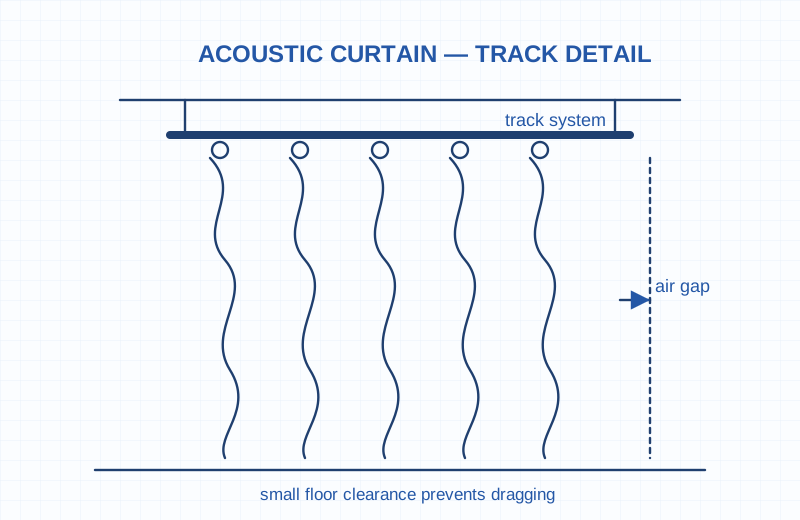
In today’s world, managing noise is essential for creating comfortable and productive environments. Whether in homes, offices, recording studios, or commercial spaces, excessive noise can be a major distraction. Acoustic curtains provide an elegant and functional solution for controlling sound while enhancing interior aesthetics.
Designed with specialized materials to absorb and block noise, these curtains offer a versatile alternative to traditional acoustic panels. This blog explores how acoustic curtains work, their key benefits, and how to choose the right ones for your space.
What Are Acoustic Curtains?
Acoustic curtains, also known as soundproof or sound-absorbing curtains, are heavy-duty drapes designed to reduce noise transmission and improve acoustics. Unlike regular curtains, they are made with dense, multi-layered fabrics that trap sound waves, preventing them from bouncing around a room.
Depending on their construction, acoustic curtains serve two primary functions:- Sound Absorption: Soft, porous materials (such as fiberglass, velvet, or wool) absorb echoes and reduce reverberation.
- Sound Blocking: Mass-loaded vinyl (MLV) or multiple fabric layers help prevent external noise from entering a space.
Key Benefits of Acoustic Curtains
1. Noise Reduction & Soundproofing
Acoustic curtains can significantly reduce ambient noise, making them ideal for spaces that require quiet environments, such as home theaters, offices, and recording studios. They help minimize external distractions like traffic, machinery, or loud neighbors.
2. Enhanced Speech Clarity & Audio Quality
In conference rooms, music studios, or classrooms, acoustic curtains improve speech intelligibility by reducing echoes and background noise. This creates a more effective communication environment.
3. Energy Efficiency & Thermal Insulation
Beyond sound control, acoustic curtains provide excellent thermal insulation. Their thick materials help regulate indoor temperatures by reducing heat loss in winter and blocking sunlight in summer, leading to energy savings.
4. Aesthetic & Functional Versatility
Available in various colors, textures, and styles, acoustic curtains blend seamlessly with interior décor. They can be customized for different applications, from home use to industrial soundproofing.
5. Easy Installation & Flexibility
Unlike permanent acoustic solutions like foam panels or wall treatments, acoustic curtains are non-invasive and easy to install. They can be opened or closed as needed, making them a flexible option for temporary or multipurpose spaces.
Applications of Acoustic Curtains
- Home Theaters & Living Spaces – Enhancing sound quality and reducing outside noise.
- Offices & Conference Rooms – Creating quiet, distraction-free work environments.
- Recording Studios & Performance Venues – Controlling reverberation and improving audio clarity.
- Hotels & Hospitality Spaces – Providing guests with a more peaceful and private stay.
- Industrial & Commercial Facilities – Minimizing noise pollution in warehouses and factories.
Choosing the Right Acoustic Curtains
When selecting acoustic curtains, consider the following factors:- Material & Density: Thicker, multi-layered fabrics with high-density weaves offer better sound absorption and blocking.
- Size & Coverage: Ensure curtains fully cover the space, including any gaps where sound can leak through.
- Installation Method: Floor-to-ceiling coverage and proper mounting enhance performance.
- Additional Features: Some curtains offer blackout capabilities for light control, fire-resistant coatings, or enhanced thermal insulation.
Acoustic curtains provide a practical and stylish way to manage noise in a variety of environments. Whether for soundproofing a home office, improving acoustics in a music studio, or reducing distractions in a workspace, these curtains offer an effective and flexible solution.
For those seeking to enhance both sound quality and interior aesthetics, investing in high-quality acoustic curtains is a smart choice.
Related guides
Acoustic baffle guide · Room acoustics guide · Acoustics glossary