
Acoustic Glass: Glazing for Better Sound Isolation
Acoustic glass, also known as soundproof or noise-reducing glass, is specially designed to minimize the transmission of sound through windows or glass partitions. It is commonly used in applications where noise control is crucial, such as recording studios, theaters, offices, and residential spaces.
When considering acoustic glass for a specific application, it's important to assess the acoustic goals, budget constraints, and other project-specific factors. Consulting with acoustic professionals or glass experts can help in selecting the most appropriate acoustic glass solution for the desired outcomes.
In today’s fast-paced world, noise pollution is a growing concern in urban areas, office buildings, and residential spaces. Acoustic glass provides an advanced solution for reducing unwanted noise while maintaining transparency and aesthetic appeal. Whether in high-rise apartments, corporate offices, or industrial settings, acoustic glass enhances sound insulation, improving comfort and productivity.
This blog explores how acoustic glass works, its benefits, and the best applications for integrating it into modern architecture.
What Is Acoustic Glass?
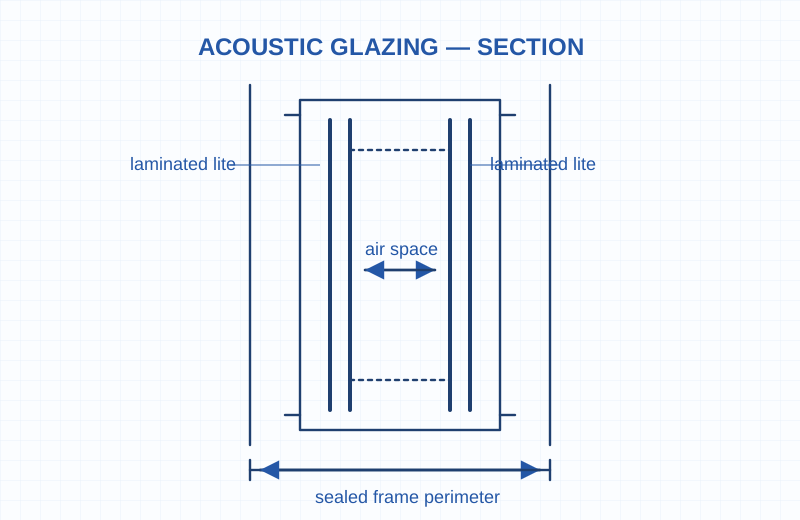
Acoustic glass is a specially designed glazing solution that reduces noise transmission. It consists of two or more glass panes bonded together with an acoustic interlayer, typically made of polyvinyl butyral (PVB) or other sound-dampening materials. This interlayer disrupts sound waves, significantly reducing the amount of noise that passes through the glass.
Unlike standard glass, which transmits sound vibrations easily, acoustic glass absorbs and weakens these vibrations, making it an ideal choice for environments where sound insulation is a priority.
How Acoustic Glass Works
Acoustic glass reduces noise transmission by:- Dampening Sound Waves: The interlayer absorbs vibrations, preventing them from traveling through the glass.
- Varying Glass Thickness: Using different thicknesses of glass in a single unit disrupts sound frequencies more effectively.
- Multiple Layers for Enhanced Performance: Double- or triple-glazed acoustic glass improves soundproofing while maintaining thermal efficiency.
Noise Reduction Ratings (Rw Values)
Acoustic glass is rated by its Rw value (Weighted Sound Reduction Index), which measures its ability to reduce noise. Higher Rw values indicate better sound insulation. For example:- Standard single glazing: Rw 25-30 dB
- Acoustic double glazing: Rw 40-45 dB
- Advanced triple-glazed acoustic glass: Rw 50+ dB
Key Benefits of Acoustic Glass
1. Superior Noise Reduction
Acoustic glass significantly reduces external noise from traffic, construction, and urban environments, creating quieter indoor spaces.
2. Improved Privacy & Sound Control
Ideal for office partitions, meeting rooms, and healthcare facilities, acoustic glass prevents conversations from being overheard while maintaining openness and transparency.
3. Energy Efficiency & Thermal Insulation
Many acoustic glass solutions also provide excellent thermal insulation, helping regulate indoor temperatures and reducing energy costs.
4. Enhanced Safety & Security
The laminated structure of acoustic glass adds an extra layer of security, making it harder to break than standard glass. It also prevents shattered pieces from scattering, enhancing safety.
5. Versatile Design & Aesthetic Appeal
Available in clear, tinted, or decorative finishes, acoustic glass seamlessly integrates into modern architectural designs without compromising style.
Applications of Acoustic Glass
- Residential Homes & Apartments – Reducing outdoor noise in high-traffic urban areas.
- Commercial Office Spaces – Creating quiet, productive work environments with glass partitions and meeting rooms.
- Hotels & Hospitality – Enhancing guest comfort by blocking street and airport noise.
- Hospitals & Healthcare Facilities – Maintaining patient privacy and reducing disruptive noise levels.
- Retail & Public Spaces – Providing a sound-controlled shopping and customer experience.
Choosing the Right Acoustic Glass
When selecting acoustic glass, consider:- Noise Reduction Needs: Higher Rw values are required for environments with extreme noise pollution.
- Glazing Options: Double- or triple-glazed configurations enhance both sound and thermal insulation.
- Frame Compatibility: High-performance seals and properly fitted frames maximize soundproofing efficiency.
- Customization & Aesthetics: Tinted, frosted, or decorative finishes can complement interior and exterior designs.
Acoustic glass is a game-changing solution for noise control in modern buildings. By combining advanced soundproofing with energy efficiency and security, it provides an ideal balance of functionality and design. Whether for residential, commercial, or industrial use, investing in acoustic glass enhances both comfort and property value.
Related guides
Acoustic baffle guide · Room acoustics guide · Acoustics glossary