
Bass Traps: Low-Frequency Acoustic Treatment Guide
Bass traps are acoustic treatment devices designed to address low-frequency sound issues, particularly the absorption and control of bass frequencies in a room. Low-frequency sound waves have longer wavelengths, making them challenging to manage using typical absorbent materials. Bass traps are essential in spaces like recording studios, home theaters, and other environments where accurate and controlled low-frequency response is crucial.
Bass traps work in conjunction with other acoustic treatments, such as absorptive panels and diffusers, to create a well-balanced and controlled acoustic environment. Professional acousticians often assess the unique characteristics of a room to determine the most effective combination of treatments for managing low-frequency issues.
Whether you’re a music producer, audiophile, or home theater enthusiast, achieving pristine sound quality is a universal goal. But even the best speakers or headphones can’t compensate for a room’s acoustic flaws—especially when it comes to low-frequency buildup. Enter bass traps, the unsung heroes of acoustic treatment. In this guide, we’ll break down what bass traps are, why they matter, and how to use them effectively to transform your space.
What Are Bass Traps?
Bass traps are specialized acoustic panels designed to absorb low-frequency sound waves (typically below 300 Hz). Unlike mid- and high-frequency sounds, bass frequencies have long wavelengths that easily create standing waves, resonances, and “boomy” echoes in untreated rooms. These issues lead to muddiness in music mixes, distorted movie dialogue, and an overall unbalanced listening experience.
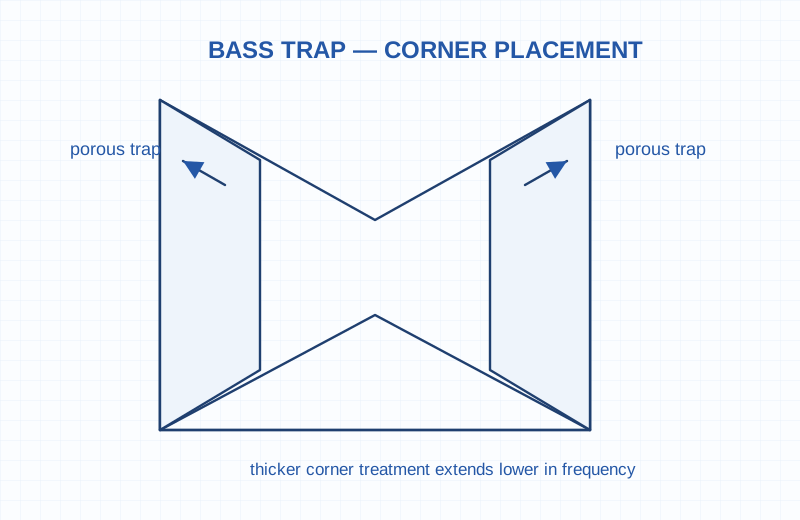
Bass traps are strategically placed in corners or along walls where low-frequency energy tends to accumulate. They work by converting sound energy into heat through porous materials (like fiberglass or mineral wool) or resonant structures that disrupt wave patterns.
Why Do You Need Bass Traps?
- 1. Eliminate Standing Waves:
- Low frequencies bounce between parallel surfaces (walls, floors, ceilings), creating peaks and nulls in certain spots. Bass traps reduce these fluctuations, ensuring consistent sound across the room.
- 2. Improve Clarity in Mixes:
- For producers and engineers, uneven bass response can lead to poor mixing decisions. Traps reveal the true low-end of your tracks, helping you make accurate adjustments.
- 3. Enhance Home Theater Audio:
- Overpowering bass can drown out dialogue and subtle sound effects. Traps balance the rumble of explosions or music for a more immersive experience.
- 4. Reduce “Room Boom”:
- Ever notice a lingering hum or vibration after a bass note? Bass traps absorb this energy, creating a tighter, cleaner sound.
1. Porous Absorbers:
- Made from dense materials like rockwool or OC 703.
- Effective for broadband absorption (low to mid frequencies).
- Best for corners and wall-ceiling junctions.
- Use a vibrating membrane (wood, vinyl) tuned to specific frequencies.
- Ideal for targeting narrow bass peaks.
- Combine porous and resonant designs for versatile performance.
- Often include a reflective front layer to scatter mid/high frequencies.
- Affordable solutions using rigid fiberglass panels or mineral wool wrapped in fabric.
- Pro tip: Thicker panels (6”+) absorb lower frequencies better.
- Made from dense materials like rockwool or OC 703.
- Effective for broadband absorption (low to mid frequencies).
- Best for corners and wall-ceiling junctions.
- Use a vibrating membrane (wood, vinyl) tuned to specific frequencies.
- Ideal for targeting narrow bass peaks.
- Combine porous and resonant designs for versatile performance.
- Often include a reflective front layer to scatter mid/high frequencies.
- Affordable solutions using rigid fiberglass panels or mineral wool wrapped in fabric.
- Pro tip: Thicker panels (6”+) absorb lower frequencies better.
Where to Place Bass Traps
- Corners: Bass energy concentrates in room corners (the “trihedral” corners where walls meet walls or ceilings). Start with floor-to-ceiling traps here.
- Wall-Wall Junctions: Even if you can’t treat all corners, prioritize the front and rear corners of your listening position.
- Wall-Ceiling Borders: Bass buildup often occurs here in smaller rooms.
- Behind Speakers: If space allows, traps behind monitors can reduce rear reflections.
Common Myths About Bass Traps
“Bass traps make rooms too dead”:- Modern broadband traps absorb lows without over-dampening mids/highs. Pair with diffusers if needed.
- Home theaters, podcasting rooms, and even living spaces benefit from controlled bass.
- Over-treatment can cause an unnatural sound. Start with 4–6 traps and test with measurement tools (e.g., Room EQ Wizard).
DIY vs. Professional Solutions
- DIY: Budget-friendly and customizable. Use rigid fiberglass (wear protective gear!) and breathable fabric. Focus on thick panels for lower frequencies.
- Professional: Brands like GIK Acoustics, Auralex, and Primacoustic offer pre-built traps with tested performance. Ideal for critical listening environments.
Final Tips for Success
- Measure First: Use a calibrated microphone and software to identify problem frequencies.
- Layer Treatments: Combine bass traps with mid/high absorbers and diffusers for full-spectrum control.
- Aesthetics Matter: Many traps come in customizable colors/fabrics to blend with your décor.
Bass traps are a game-changer for anyone serious about sound. By addressing the unique challenges of low frequencies, they unlock clarity, precision, and balance in any acoustic environment. Whether you’re mixing a chart-topping track or binge-watching your favorite series, investing in bass traps ensures you hear every detail as it was meant to be heard.
Ready to conquer the bass? Start with strategic placement and let your room—and your ears—reap the benefits.
Related guides
Acoustic baffle guide · Room acoustics guide · Acoustics glossary